Seattle, known as the Emerald City, is a vibrant travel destination that draws millions of visitors each year with its stunning waterfront, iconic Space Needle, eclectic neighborhoods, and thriving culinary scene. While Seattle has long been associated with high-tech industries and bustling business travel, it is also a city that offers a wealth of cultural, outdoor, and culinary experiences for leisure travelers. One of the most significant expenses for any trip to Seattle, however, is airfare. Fortunately, with careful planning, research, and strategic booking, it’s entirely possible to minimize flight costs while ensuring a smooth, comfortable journey. This guide provides a comprehensive approach to saving on flights to Seattle, covering everything from airlines and booking platforms to timing, flexibility, and insider strategies.
Understanding Airlines Serving Seattle
Seattle-Tacoma International Airport (SEA), often referred to as Sea-Tac, is the primary gateway to the city, accommodating both domestic and international flights. Several major carriers operate regular services to Seattle, offering a range of fares and service levels. Some of the key airlines include:
Delta Airlines – Known for excellent customer service and frequent flight schedules, Delta offers both economy and premium options for travelers. Delta often provides seasonal promotions and package deals for travelers booking early.
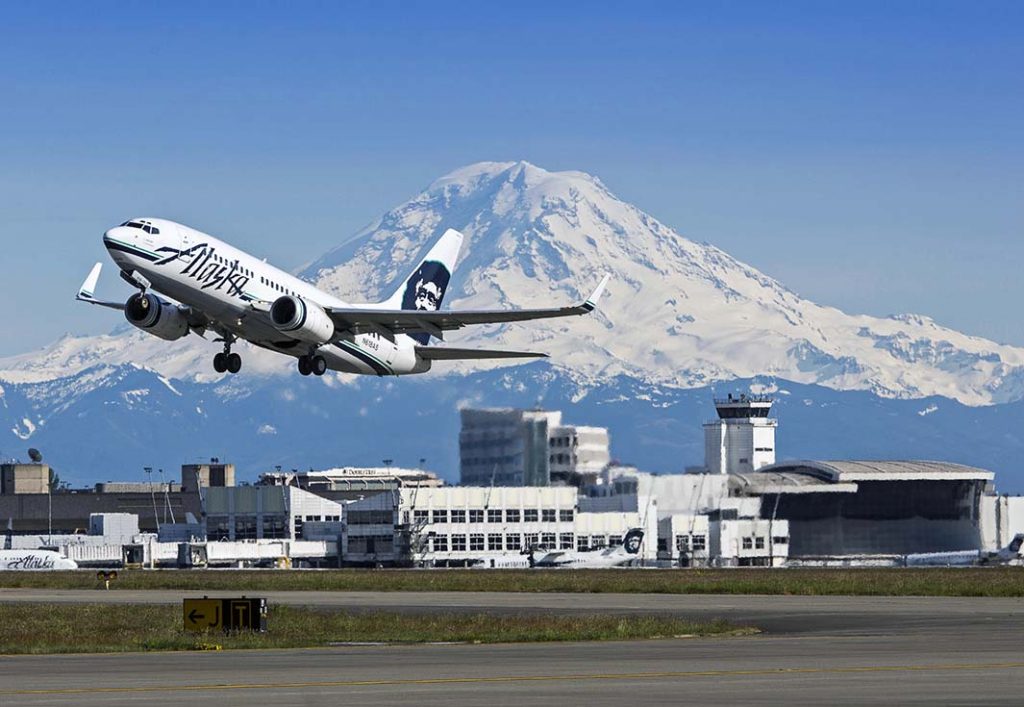
Alaska Airlines – With a strong regional presence in the Pacific Northwest, Alaska Airlines is renowned for its flexible fare structures and competitive rates. Frequent flyers can benefit from Alaska’s mileage program, which sometimes offers bonus miles and flight discounts.
American Airlines – Providing convenient connections through major hubs, American Airlines offers both basic economy fares and business class upgrades, catering to travelers with varying budgets.
United Airlines – United serves Seattle from multiple U.S. cities and international destinations. Travelers can take advantage of United’s loyalty program and seasonal deals, particularly when booking in advance.
Southwest Airlines – Known for budget-friendly fares and free checked bags, Southwest is an excellent choice for cost-conscious travelers who value straightforward pricing.
Understanding the available airlines and their offerings is the first step in planning a budget-friendly flight. Each airline provides distinct benefits, from loyalty points to flexible cancellation policies, which can significantly influence the overall cost and convenience of travel.
Booking Platforms and Strategies
One of the most effective ways to save on airfare is by utilizing the right booking platforms and comparing prices across multiple sources. Popular travel agencies, online booking sites, and aggregator platforms allow travelers to access competitive rates and exclusive deals. Beyond standard searches, consider the following strategies:
Set Fare Alerts: Many platforms offer price alert services that notify travelers when fares drop. By monitoring flight prices over several weeks or months, you can identify the most affordable windows to book.
Compare Multiple Sources: Don’t rely on a single booking site. Prices can vary across platforms due to differences in commissions, promotions, and fare classes.
Check Airline Offers Directly: While booking platforms are convenient, airlines occasionally release exclusive deals that are not available elsewhere. It’s worth checking airline announcements for flash sales or limited-time promotions.
Consider Alternative Airports: While Sea-Tac is the main hub, some travelers find cheaper options by flying into nearby airports and then using regional transportation to reach Seattle.
Timing Your Flight
Timing plays a crucial role in securing budget-friendly airfare. While there is no universal formula, several general principles can guide travelers:
Book in Advance: Generally, booking several weeks or months ahead can secure better rates. Prices tend to rise as the departure date approaches, especially for popular travel periods.
Flexible Dates: Being flexible with your travel dates can open opportunities for lower fares. Mid-week flights often cost less than weekend departures, and early morning or late-night flights may be cheaper than peak-hour options.
Avoid Peak Seasons: While Seattle attracts visitors year-round, some months see higher demand due to events, holidays, or weather patterns. Identifying less busy periods can translate into significant savings on flights.
Understanding Fare Classes
Airlines typically offer a range of fare classes, each with different price points, restrictions, and benefits. Understanding these distinctions helps travelers make cost-effective choices:
Basic Economy: The most affordable fare, often with limitations on seat selection, luggage, and ticket changes. Ideal for travelers who prioritize price over flexibility.
Standard Economy: Offers more flexibility than basic economy, including seat selection and some change options. A good balance between cost and convenience.
Premium Economy: Provides additional legroom, enhanced service, and sometimes priority boarding. While pricier, this class may be worthwhile for long flights.
Business and First Class: Designed for maximum comfort and premium service, these fares can be significantly more expensive but may include perks like lounge access, extra baggage, and flexible cancellations.
Understanding which fare class aligns with your needs allows you to avoid paying for services you may not require while still ensuring a comfortable journey.
Utilizing Loyalty Programs and Travel Rewards
Frequent flyer programs and travel rewards can be valuable tools for reducing flight expenses. Many airlines offer points or miles for every dollar spent, which can later be redeemed for discounted or free flights. Strategies to maximize loyalty benefits include:
Sign Up Early: Even if you don’t fly frequently, enrolling in airline loyalty programs allows you to accumulate points for future trips.
Use Co-Branded Credit Cards: Many credit cards offer bonus miles, travel credits, or additional perks when used to purchase airline tickets.
Combine Points and Cash: Some programs allow you to partially pay with points and partially with cash, providing flexibility while reducing out-of-pocket costs.
Travel Insurance and Protection
While it might seem like an additional expense, travel insurance can save money in the long run by protecting against unexpected disruptions. Policies often cover flight cancellations, medical emergencies, lost luggage, and delays. By purchasing insurance in advance, travelers can avoid expensive last-minute changes or replacements, ultimately preserving the budget allocated for flights.
Smart Packing and Baggage Tips
Even with a low airfare, baggage fees can quickly inflate costs. To minimize expenses:
Travel Light: Opt for carry-on luggage when possible. Most airlines allow a personal item and a carry-on free of charge, reducing the need for checked bags.
Check Fee Policies: If a checked bag is necessary, review the airline’s fee structure in advance. Some carriers offer discounted rates for pre-paid luggage.
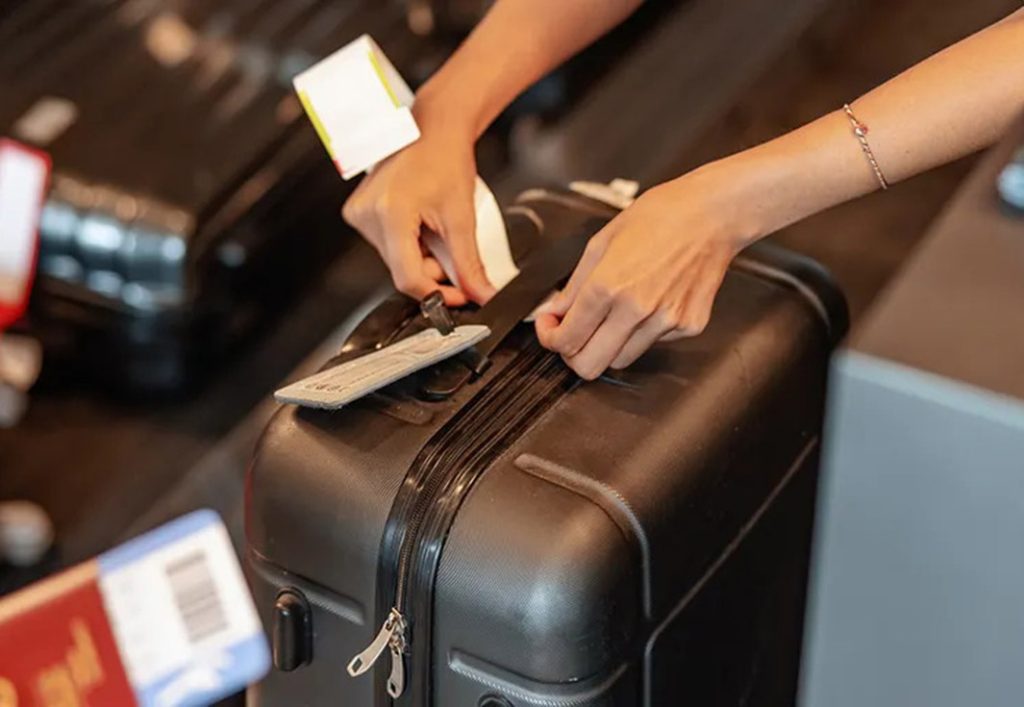
Pack Strategically: Combining items, using compact packing cubes, and adhering to airline restrictions can prevent overweight fees and additional charges.
Book Connecting Flights: Nonstop flights are convenient but may be more expensive. Considering flights with a layover can reduce costs significantly.
Be Open to Nearby Cities: Sometimes flying into a nearby airport and taking regional transport to Seattle can result in lower overall travel costs.
Use Incognito Mode: Flight-search engines can track repeated searches and slightly increase prices. Searching in private browsing or incognito mode can help avoid price inflation.
Consider Alternative Airlines: Regional carriers or low-cost airlines often provide competitive fares for domestic routes, especially for budget-conscious travelers.
Traveling to Seattle doesn’t have to be prohibitively expensive. With careful planning and informed choices, visitors can enjoy the city’s many attractions without spending a fortune on flights. By understanding the airlines that serve the region, the various fare classes available, effective booking strategies, and optimal timing for purchases, travelers can significantly reduce the cost of their tickets while still maintaining comfort and convenience throughout their journey. Each airline offers a unique combination of services, promotions, and loyalty programs, and taking the time to compare options can lead to considerable savings. Even small adjustments, such as choosing flights with slightly longer layovers, flying on weekdays instead of weekends, or selecting non-peak hours, can make a noticeable difference in the overall cost of travel.
Combining loyalty programs and travel rewards with careful planning further enhances affordability. Enrolling in frequent flyer programs allows travelers to accumulate points or miles, which can later be redeemed for discounted or even free flights. Many airlines also offer co-branded credit cards that provide bonus points, travel credits, or other benefits when used for ticket purchases. By strategically using these programs, travelers can effectively stretch their budget and reduce out-of-pocket expenses. Additionally, thoughtful preparation, such as packing efficiently to avoid checked baggage fees, purchasing travel insurance to protect against unexpected disruptions, and understanding airline policies, ensures that the journey remains smooth and stress-free. Small steps like these contribute to a budget-conscious travel experience without sacrificing convenience or peace of mind.
Seattle’s unique charm—from its iconic landmarks like the Space Needle and Pike Place Market to its vibrant neighborhoods, waterfronts, and cultural offerings—can be enjoyed to the fullest when travelers take a strategic approach to airfare. Whether the trip is for leisure, business, or a family getaway, employing these strategies allows more of the budget to be allocated toward memorable experiences, local cuisine, museum visits, and outdoor adventures. Careful planning transforms what might initially seem like a costly trip into an opportunity to explore and enjoy the city without financial strain. By being proactive in booking flights, utilizing rewards and discounts, and adopting smart travel habits, flying to the Emerald City becomes not only accessible but also an enjoyable start to an unforgettable adventure. With the money saved on airfare, travelers can fully immerse themselves in Seattle’s lively culture, scenic beauty, and culinary delights, ensuring every moment of the visit is maximized and truly rewarding.